MNagl2026.jpg)
MNagl2026.jpg)
MNagl2026.jpg)
MNagl2026.jpg)
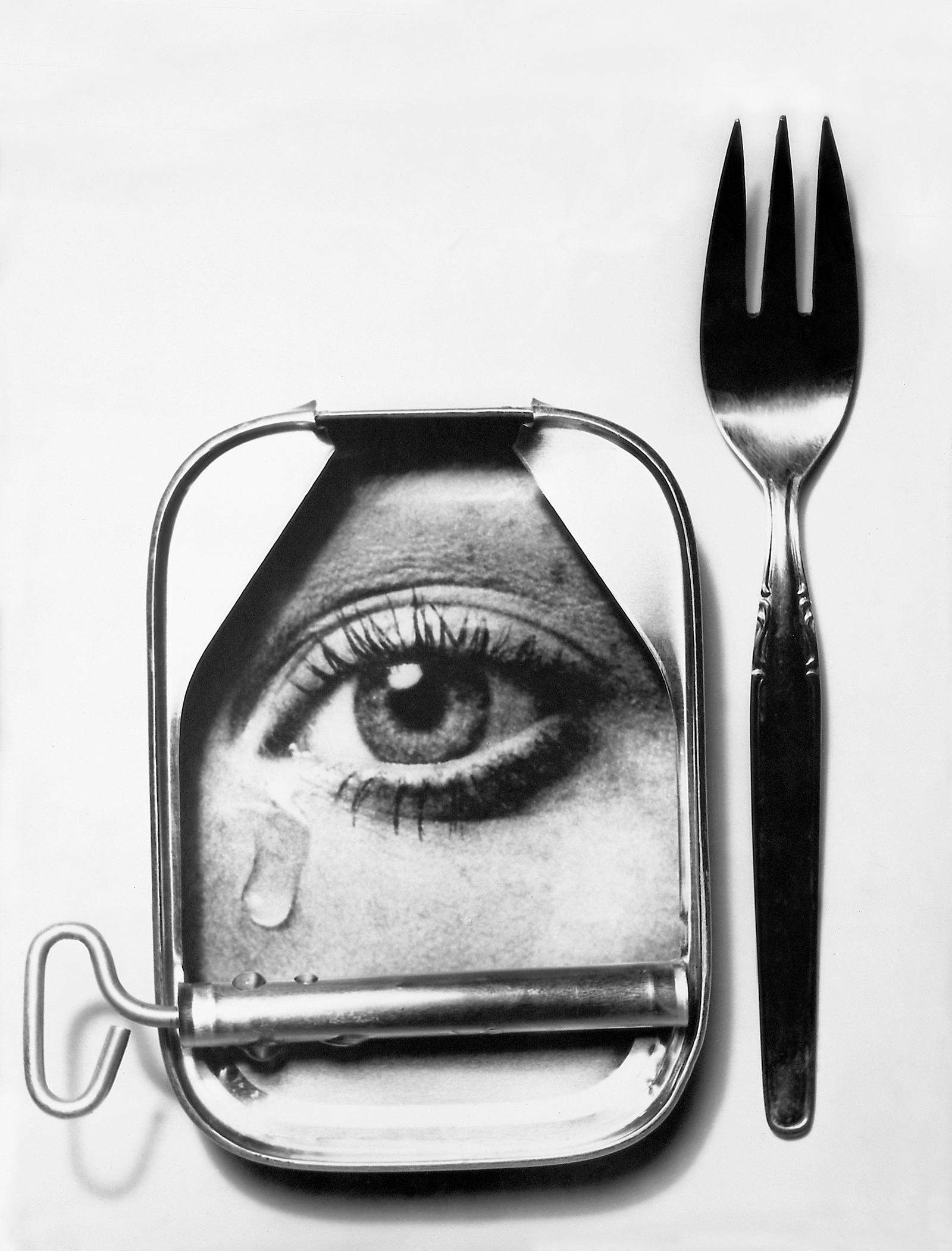
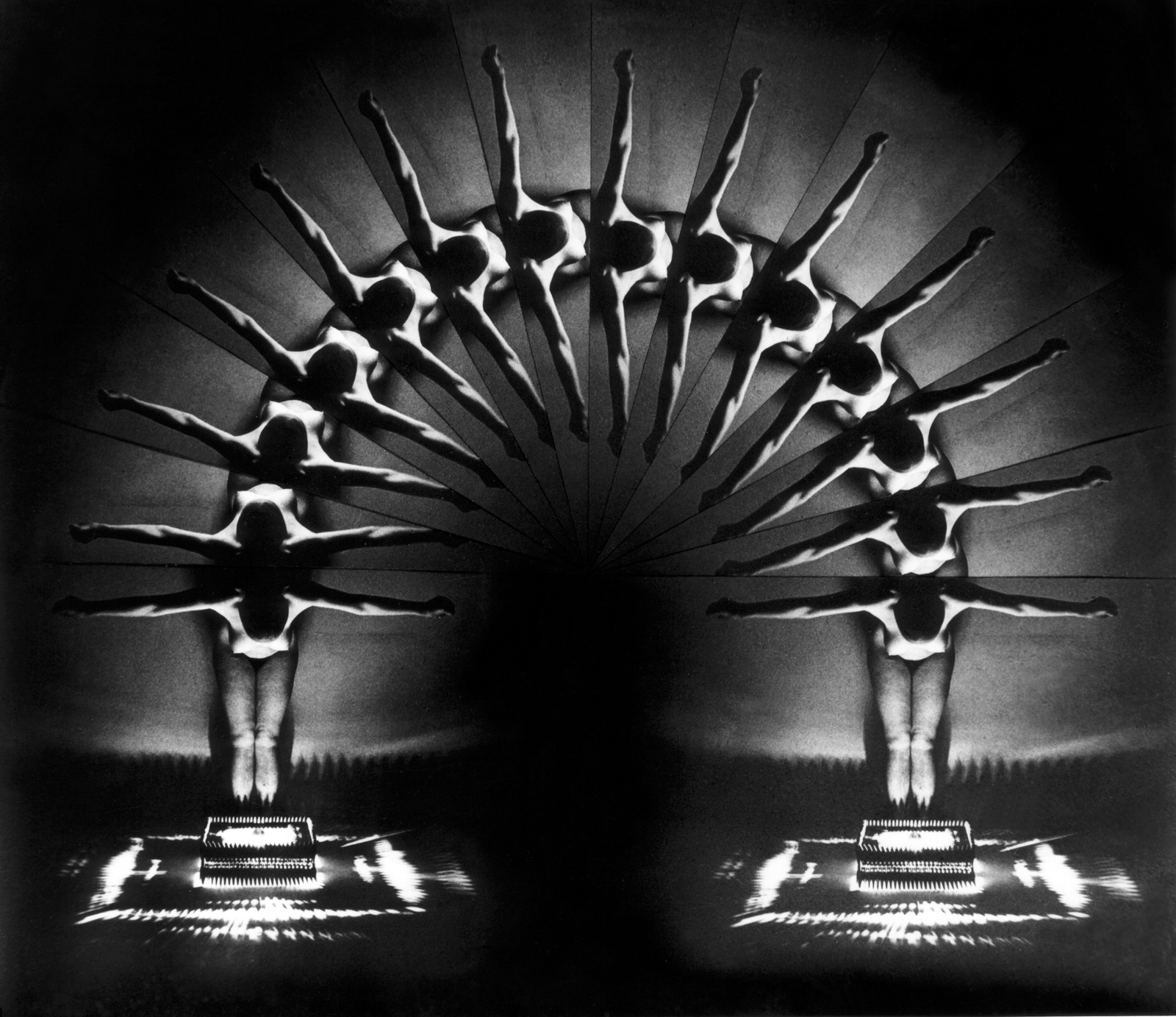
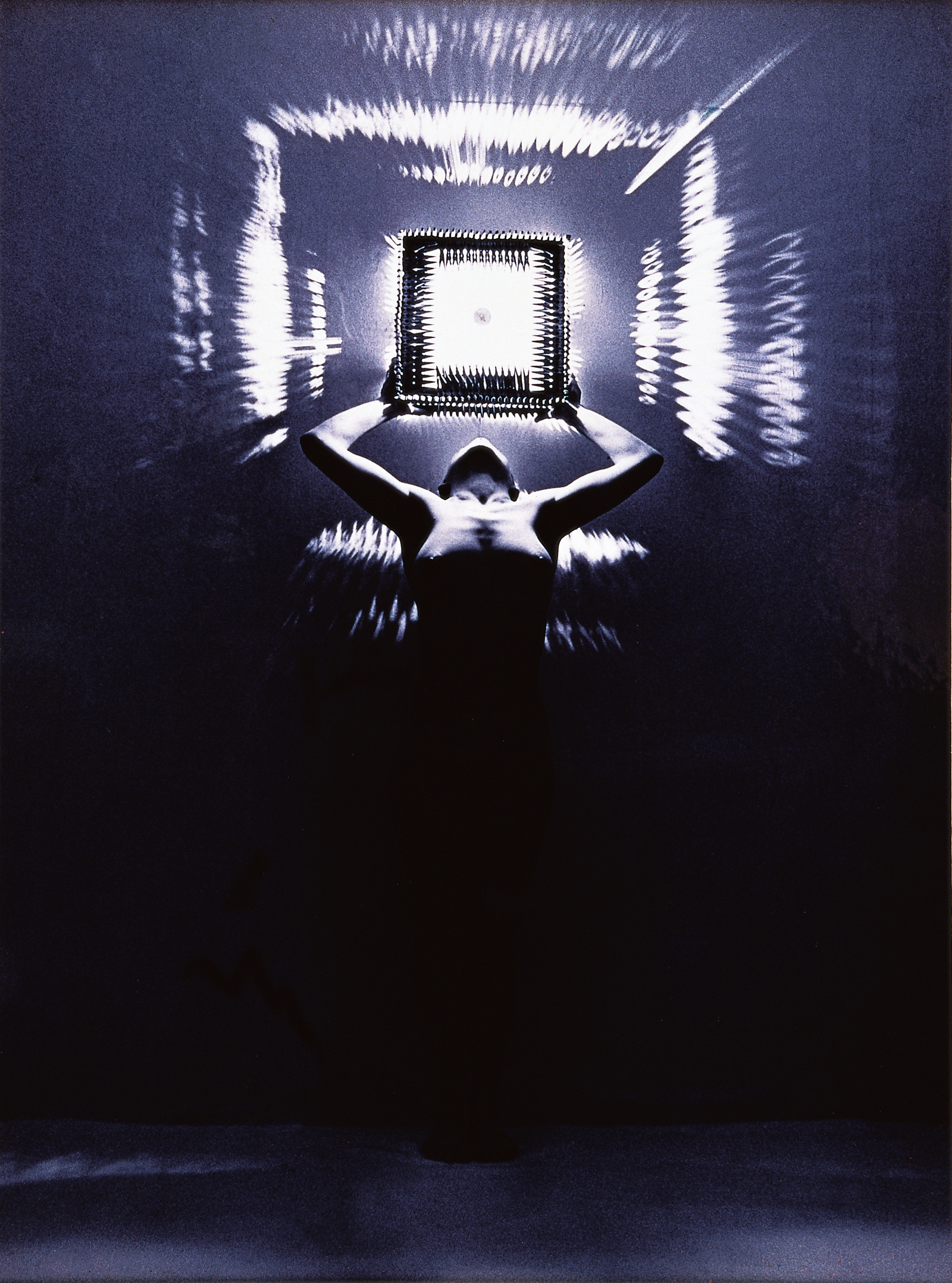
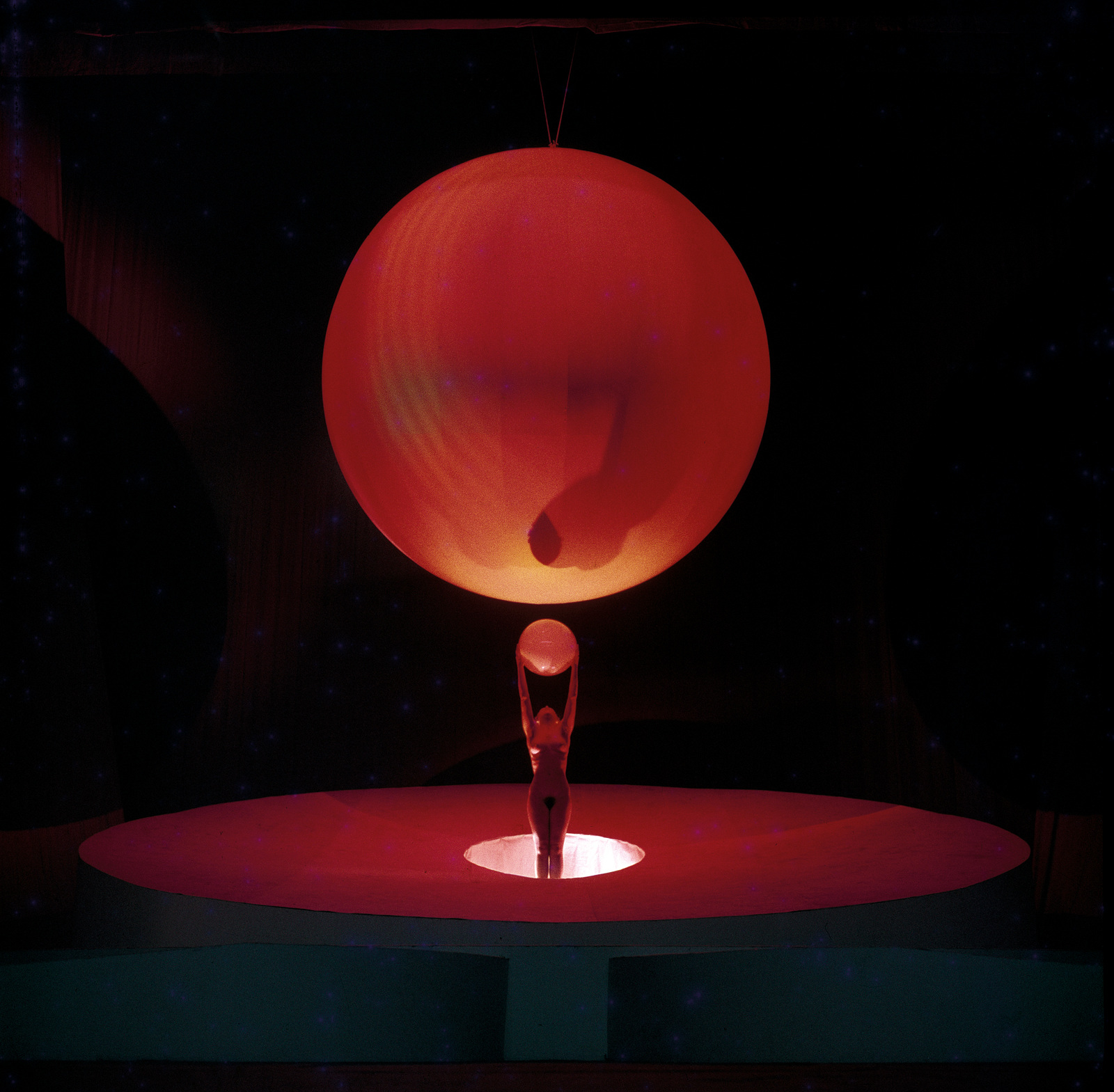
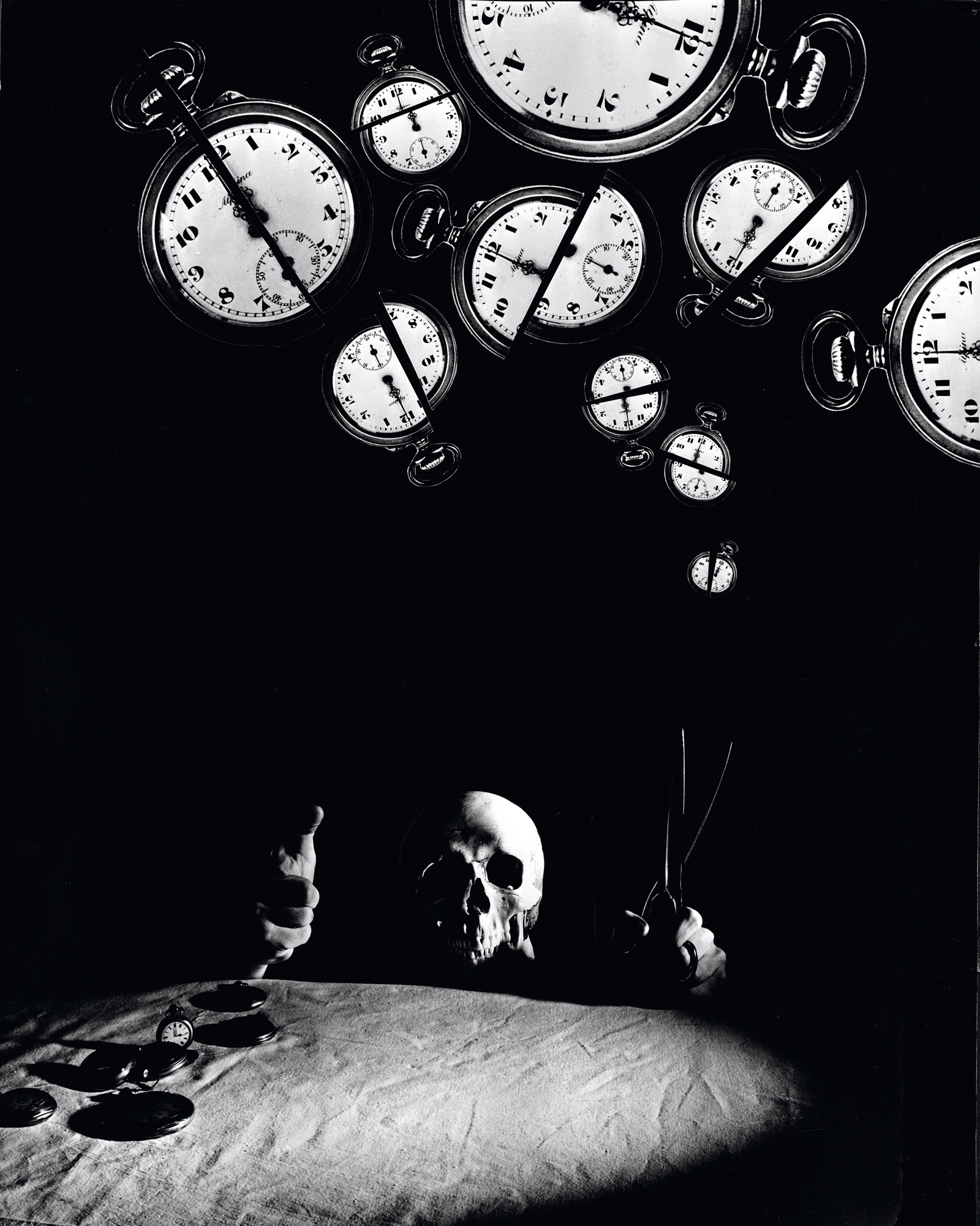
Stane Jagodič hat sich als einer der originellsten Künstler in Slowenien und dem gesamten mittel- und osteuropäischen Raum einen Namen gemacht und in den 1970er-Jahren die Grenzen der Fotografie neu gezogen. Sein Ansatz war geprägt von einer außergewöhnlichen Experimentierfreudigkeit, die sich vor allem in seinen Montagen und Collagen zeigt. In ihnen kombinierte er Fotografien mit Objets trouvés, sprachlichen oder grafischen Elementen und Röntgenbildern. Darüber hinaus begann er, Performance und Fotografie zu verbinden, und gilt außerdem als Pionier der abstrakten Fotografie.
Keinesfalls aber waren seine Fotomontagen und -collagen bloße formale Spielereien, denn sie dienten auch als Vehikel für scharfe gesellschaftliche und politische Kritik. Häufig verband er in ihnen absurde, groteske und ironische Elemente mit motivischen Zitaten zeitgenössischer Technik und Industrie und bezog so Stellung zur Entmenschlichung des Alltags. Damit knüpfte er an das Erbe von Dadaismus und Surrealismus an und reagierte zugleich auf zeitgenössische neoavantgardistische Bewegungen.
Jagodič war Mitbegründer und informeller Leiter der Grupa Junij („Gruppe Juni“). Diese brachte Künstler*innen aus mehreren Ländern und Kulturen zusammen, die in unterschiedlichen Medien arbeiteten. In einer Zeit, als die Kunstszene noch stark von den ideologischen Gegensätzen des Kalten Krieges geprägt war, hatte sie das Ziel, den freien Gedankenaustausch zu fördern und den internationalen künstlerischen Dialog anzuregen. Für ihren experimentellen Ansatz in der Fotografie wurde sie 1988 beim Mois de la Photo in Paris mit dem Grand Prix ausgezeichnet.
In den 1970er- und 1980er-Jahren ging Stane Jagodič in seinen Arbeiten weit über die klassische Fotografie hinaus und machte seine radikale multimediale Methode zum Werkzeug für Experimente, Reflexion und – durch ihre Autonomie – künstlerischen Widerstand. Er war einer der ersten „Künstler, die mit Fotografie arbeiteten“, und mit der Grupa Junij auch ein früher „Künstler-Kurator“, denn er kuratierte die meisten ihrer Ausstellungen selbst. In seinem Werk vollzog er einen radikalen Bruch mit der in der Nachkriegszeit vorherrschenden dokumentarischen Auffassung von Fotografie.
Kuratiert von Dejan Sluga
Ko-Kuratorin, Projektmanagerin: Ana Miklavž
Ausstellungsgestaltung: Kabinet 01 d.o.o.
Mit freundlicher Unterstützung des Ministeriums für Kunst der Republik Slowenien, des Slowenischen Kulturinformationszentrums SKICA WIEN, der Photon Gallery, Calcit, Vina Grof, SAVA Zavarovalnica und Marand.
English:
Stane Jagodič established himself in the Slovenian and broader Central Eastern European space as one of the most original artists, redefining the boundaries of the photographic medium in the 1970s. His approach was marked by an exceptional experimentalism that came to light especially in his montages and collages, where he combined photographs with found materials, words, graphics, and X-rays. Furthermore, he began to combine performance and photography, and is also considered a pioneer of abstract photography.
Jagodič’s photomontages and photocollages were not merely formal inventions but vehicles of sharp social and political critique. His images combine elements of absurdity, grotesque, and irony, often with visual quotes of contemporary technology and industry, commenting on the dehumanization of everyday life. In this respect, he draws on the legacy of Dadaism and Surrealism while establishing a dialogue with contemporary neo-avant-garde movements.
He was a co-founder and informal leader of the Junij Group, which brought together artists working across various media and from diverse cultural backgrounds and countries. The group aimed to foster a free exchange of ideas and encouraged international artistic dialogue at a time when the art scene was still deeply marked by the ideological divisions of the Cold War. In 1988, the collective was awarded the Grand Prix at the International Mois de la Photo in Paris, an important recognition of their experimental approach to photography.
In the 1970s and 1980s, Jagodic’s practice went beyond classical photography, with his radical multimedia approach expanding the boundaries of the medium as a tool for experimentation, reflection and, with its autonomy, artistic resistance. He was one of the first “artists using photography” and, with the Group Junij, also an early “artist-curator,” as he curated most of the collective’s exhibitions. His work represents a radical break with the documentary conception of post-war photography that dominated at the time.
Curated by Dejan Sluga
Co-Curator, Project Manager: Ana Miklavž
Exhibition Design: Kabinet 01 d.o.o.
With kind support by Ministry of Culture of the Republic of Slovenia, the SKICA – The Slovenian Culture and Information Centre in Vienna, the Photon Gallery, Calcit, Vina Grof, SAVA Zavarovalnica, and Marand.