MNagl2026.jpg)
MNagl2026.jpg)
MNagl2026.jpg)
MNagl2026.jpg)
MNagl2026.jpg)

.jpg)
.jpg)
.jpg)
English version below
PINNED! beschäftigt sich mit der visionären Stadtplanung, die Ljubljana in den vergangenen 20 Jahren geprägt hat – eine Vision mit dem Ziel, es zu einer lebendigeren, vernetzteren, lebenswerteren, menschengerechteren Stadt zu machen.
Der ambitionierte, innovative Ansatz dieser mutigen, tiefgreifenden Umgestaltung hat in ganz Europa und darüber hinaus Aufmerksamkeit und Bewunderung erregt – gipfelnd in der Zuerkennung des European Prize for Urban Public Space 2012, des European Green Capital Award 2016 und anderer Auszeichnungen.
PINNED! will den Geist dieses Prozesses vermitteln und zeigt auf, wie man mit visionären Ideen eine Stadt und damit das Leben ihrer Bewohner*innen neu gestalten kann – heute und in den kommenden Jahrzehnten.
PINNED! ist die Geschichte der Umgestaltung der Stadtgemeinde Ljubljana (Mestna občina Ljubljana, kurz MOL) unter der Führung von Bürgermeister Zoran Janković und der Leitung von Vizebürgermeister und De-facto-Stadtbaumeister Janez Koželj. Es ist auch eine Geschichte der „urbanen Akupunktur“ – diesen Begriff verwendet Koželj für seine nadelstichartigen kleineren und größeren strategischen Eingriffe in der ganzen Stadt. Durch die mehr als 50 Projekte, die in seiner 20-jährigen Amtszeit ungesetzt wurden, hat Ljubljana einen enormen, großteils positiven Wandel erfahren.
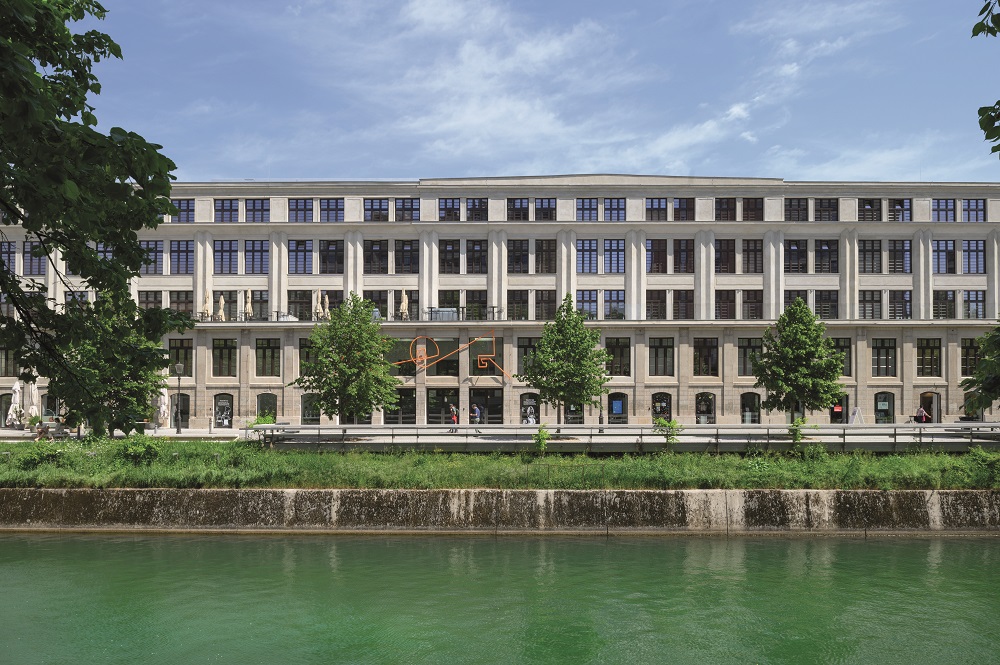
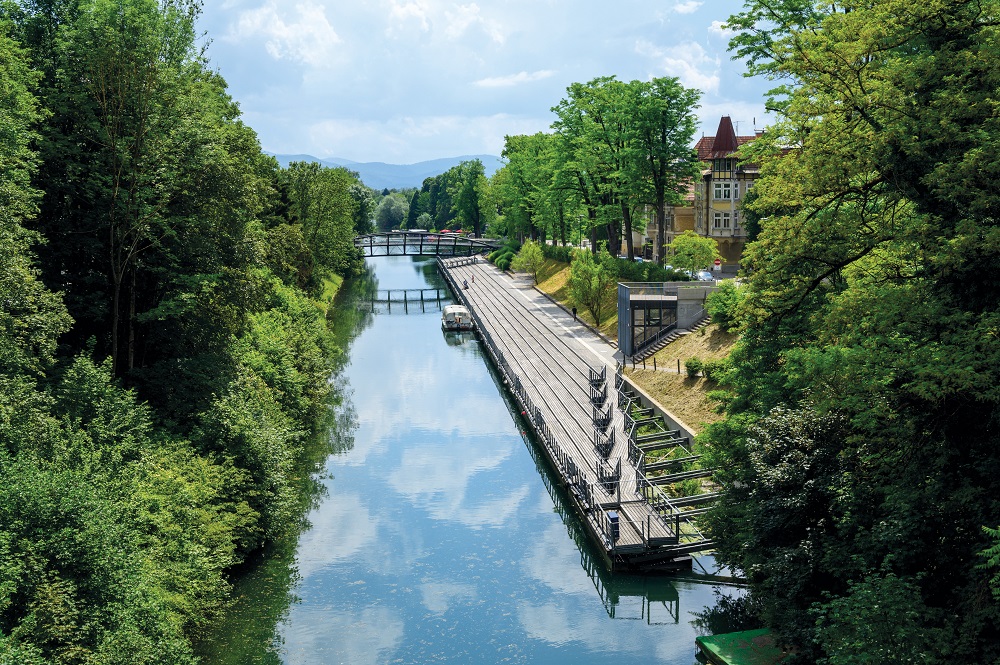
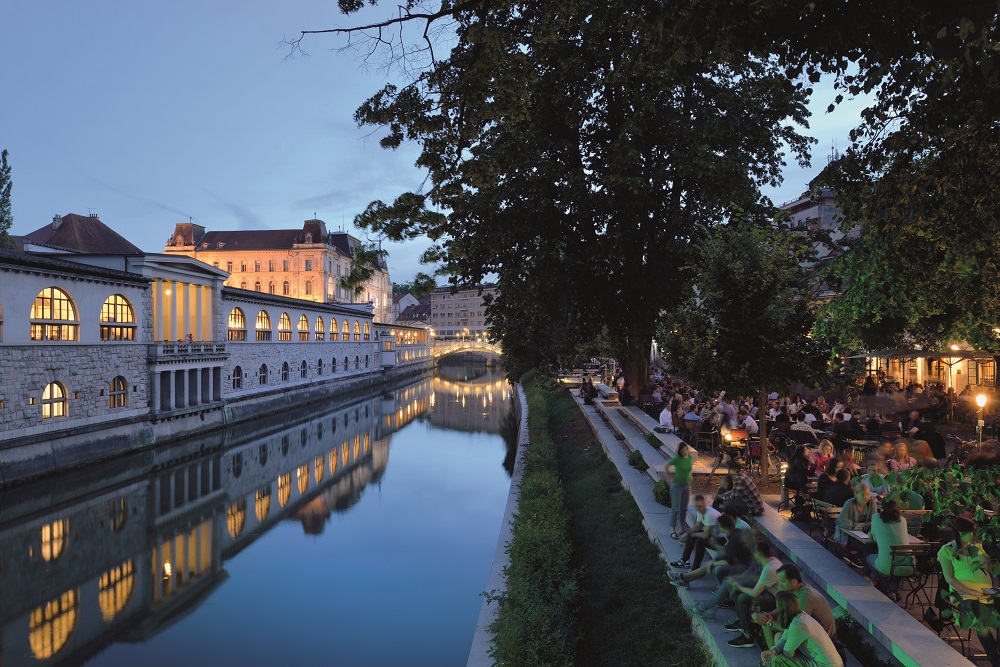
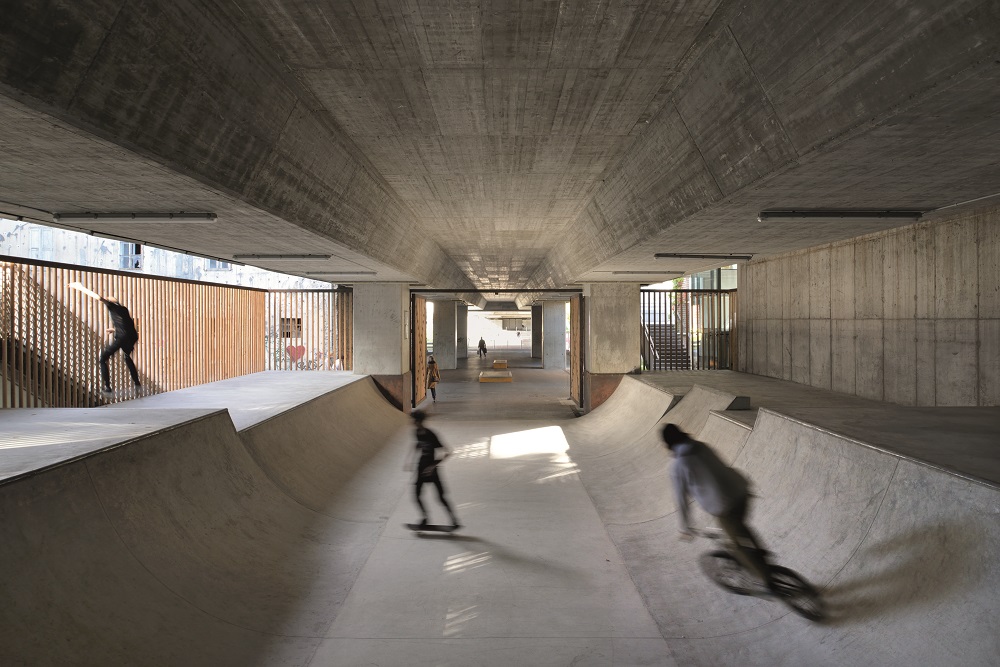
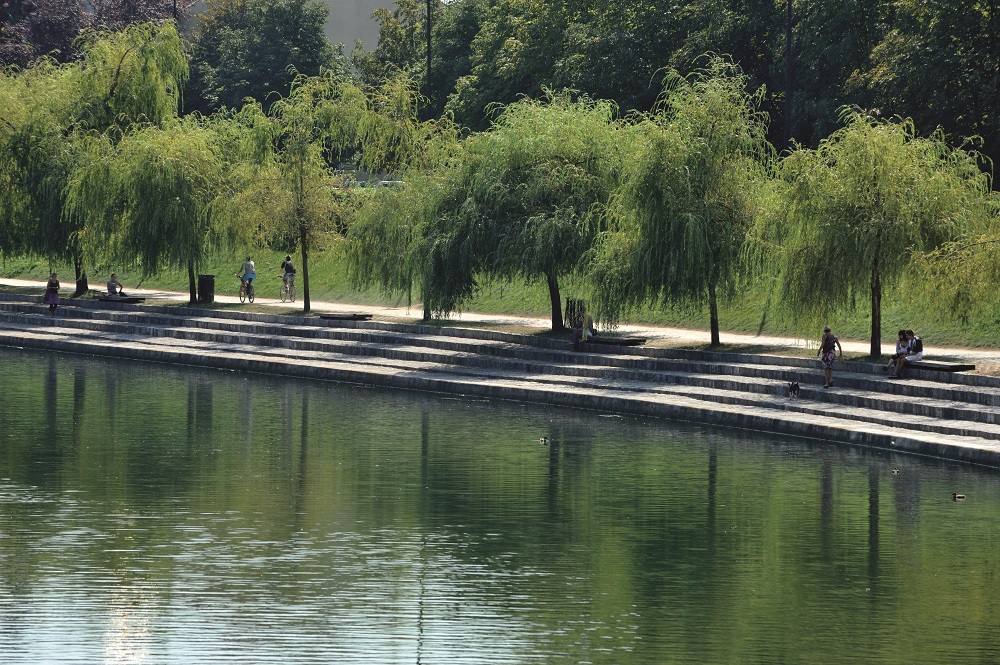
Die Ausstellung spiegelt diesen Ansatz, indem sie ein breites Spektrum von Projekten präsentiert: von Parks, Ufergestaltungen und Brücken bis zu Plätzen, Museen und ganzen Stadtentwicklungsvorhaben. Sie gliedert sich in sechs Kernthemen: historisches Erbe und Innovation, öffentlicher Raum, Grün- und Wasserflächen, Nachnutzung, Mobilität und Fluidität, soziale Vernetzung. Gezeigt wird eine Reihe von preisgekrönten Schlüsselprojekten, etwa die jetzt autofreie Slovenska-Straße, die Ufergestaltungen am Fluss Ljubljanica, der Kreativ- und Sozialhub Center Rog und das Cukrarna-Kulturzentrum.
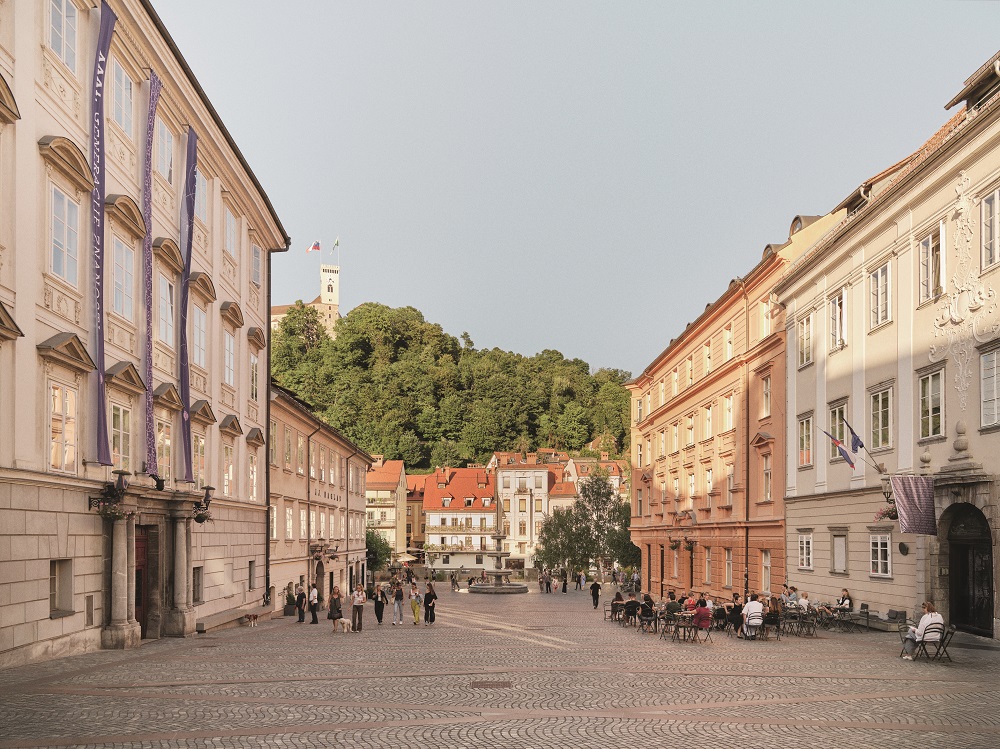
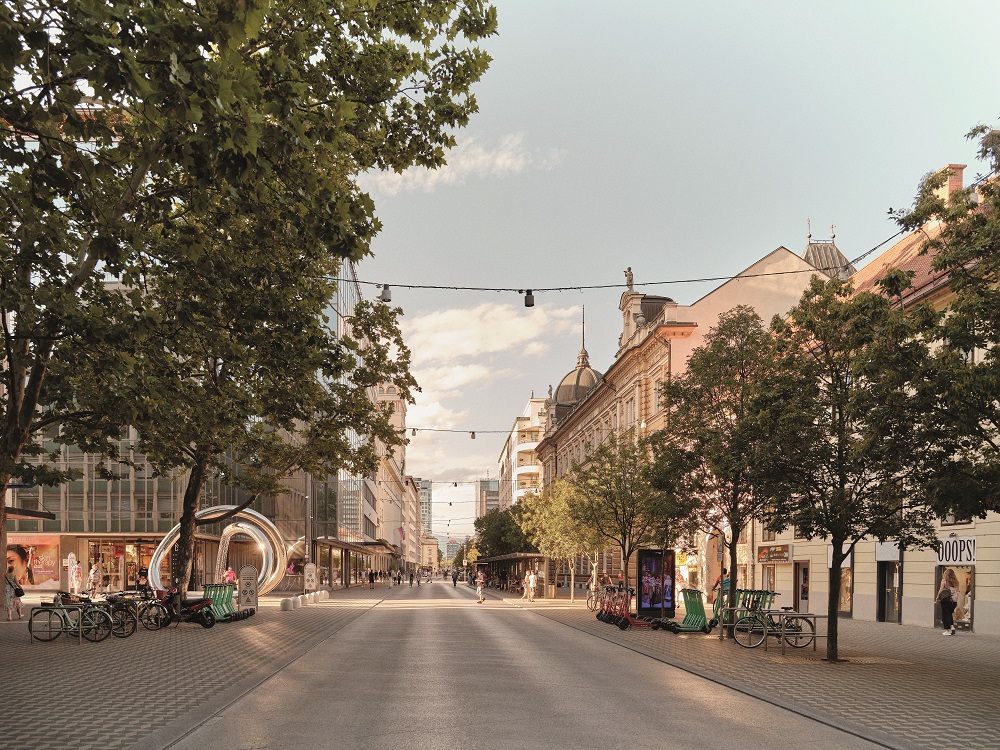
Die heute schon legendäre Umgestaltung der Slovenska-Straße in eine Fußgängerzone, durch die der private Autoverkehr von der einst größten und meistbefahrenen Durchzugsstraße Ljubljanas verbannt wurde, hat einen völlig neuen öffentlichen Raum – der ja die Seele einer Stadt ist – und viel Platz für Fußgänger*innen, Radfahrer*innen und andere geschaffen. Ein Beispiel für Nach- oder Umnutzung, bei dem eine überlastete Verkehrsader in ein weitläufiges und äußerst beliebtes öffentliches Forum verwandelt und eine zeitgemäße Weiterentwicklung vollzogen wurde. Wichtig bei einer solchen Weiterentwicklung sind die hidden layers, die verborgenen technischen, sozialen und wirtschaftlichen Strukturen. Die Änderung des Verkehrskonzeptes hat die ganze Mobilitätsgleichung der Stadt verändert (Stichwörter Mobilität und Fluidität) und neue soziale Muster geschaffen, die Menschen auf andere Weise zusammenbringen.
Ljubljana ist heute als städtischer Raum deutlich schöner, ausgewogener, dynamischer, sozialer, ansprechender und lebenswerter. Diese Veränderungen hat die Stadtverwaltung und damit indirekt die Einwohnerschaft zweifellos angestrebt. Doch es geht dabei nicht um Veränderung als Selbstzweck oder darum, irgendeine anonyme städtische Instanz zufriedenzustellen, sondern um mehr Lebensqualität für alle, die in der Stadt leben und sie nutzen.
Letztendlich werfen solche ehrgeizigen Initiativen grundlegende Fragen auf – sie zwingen uns, darüber nachzudenken, was wir von unserer Stadt wollen, wie wir in ihr leben möchten und was wir dazu tun können.
Kurator: Jeff Bickert
Mitwirkende: Blaž Šenica, Uroš Mikanović
Projektmanagerin: Ana Miklavž
Ausstellungsgestaltung: Hana Jesih, Ana Valenko, Jan Jagodič, Kabinet 01 d.o.o.
Mit freundlicher Unterstützung der Stadt Ljubljana und des Slowenischen Kulturinformationszentrums SKICA WIEN.
PINNED! explores the visionary urbanism that has shaped Ljubljana over the past twenty years – a vision intended to make Ljubljana a more animated, connected, liveable, and human-centred contemporary city.
This bold and substantive transformation drew attention and admiration from all corners of Europe and well beyond for its ambitious, innovative, visionary efforts – and culminated in recognition in the form of the European Prize for Urban Public Space 2012, the European Green Capital Award 2016, and more.
PINNED! aspires to embody the spirit of this process and hints at the ways visionary urbanism can reshape a city and with it the very lives of its people – today and in the decades to come.
PINNED! is a story of the transformation of the City of Ljubljana (MOL) under the leadership of Mayor Zoran Janković and the direction of Vice Mayor and de facto City Architect Janez Koželj. Similarly, it is a story of urban acupuncture – a term Koželj himself uses to describe his approach of individual strategic interventions large and small throughout the city. Through the more than 50 built projects that Koželj oversaw during his 20-year tenure, Ljubljana experienced enormous, largely positive, change.
For its part, the exhibition employs an urban acupuncture mirroring that of the city to mark a wide array of projects: from parks, riverbanks, and bridges to squares, museums, and entire developments. The exhibition is organised around six core themes: Heritage and Innovation, Public Space, Green and Blue Spaces, Adaptive Reuse, Mobility and Fluidity, and Social Connectivity. A handful of key, award-winning, pivotal projects are featured, including the now car-free Slovenska Street, the Ljubljanica River embankments, Center Rog creative and social centre, and Cukrarna Gallery.
The now legendary pedestrianization of Slovenska Street, which removed private vehicle traffic from what was once the city’s largest and most congested traffic corridor (Public Space as the Soul of the City) opened up an entirely new public space, reclaiming a vast area for pedestrians, cyclists, and more. It is a classic-turned-contemporary case of reuse or repurposing (Adaptive Reuse & Hidden Layers), transforming a heavily overburdened corridor into an extensive and highly popular public platform. Changing the traffic regime recalibrated the city’s mobility equation considerably (Mobility & Fluidity) and has given rise to new social patterns that connect people in fresh ways.
Today, Ljubljana is a considerably more beautiful, balanced, dynamic, social, engaging, and liveable urban environment. These changes were decidedly among the aims of the city administration and, by indirect extension, the people of Ljubljana. But this is not change merely for the sake of change itself nor to please some anonymous urban entity, but towards providing a better, higher quality of life for the city’s inhabitants and users alike.
Ultimately, these ambitious initiatives open up fundamental questions – questions that compel us to think about what we want from our city, how we want to live in it, and what we can do to make that happen.
Curator, Editor: Jeff Bickert
Contributors: Blaž Šenica, Uroš Mikanović
Project Manager: Ana Miklavž
Exhibition Design: Hana Jesih, Ana Valenko, Jan Jagodič, Kabinet 01 d.o.o.
With kind support by the City of Ljubljana and SKICA – The Slovenian Culture and Information Centre in Vienna.